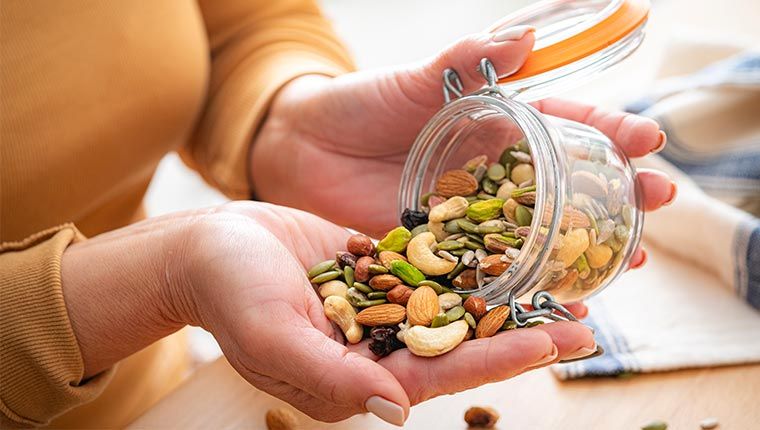
Food should make you feel nourished, energized, and comforted, not itchy, swollen, or anxious. But for millions of people, certain foods can trigger uncomfortable or even serious reactions. Whether it’s a peanut allergy, a reaction to tree nuts, or reactions to dairy, seafood, soybeans, or wheat, identifying the exact trigger can be challenging without guidance.
Understanding what’s happening inside your body, especially how your immune response reacts to specific food allergens, is an important step in finding answers. Today, we’re sitting down with one of Labcorp’s clinical experts, Dr. Matthew McCulloch, a board-certified allergist. We’ll break down the basics of food allergies, the symptoms to watch for, and how immunoglobulin E (IgE) allergy testing can help you and your healthcare provider build a personalized plan to stay safe and feel your best.
What are the most common signs and symptoms of food allergies?
A food allergy is like your body’s emergency broadcast system. It doesn’t send a quiet signal; it’s usually loud, fast, and hard to miss. Unlike a slow stomachache from eating too much pizza, an allergic reaction usually happens almost immediately—anywhere from a few minutes to just a few hours after you eat.
“Most people experience multiple symptoms when having a food allergy reaction,” shared Dr. McCulloch. “While you might just get itchy, most people experience a cluster of symptoms.” These might include:
- On your skin: You might see "hives," which are itchy, raised red welts. Your lips, tongue, or face might also start to swell up
- In your lungs: You might suddenly start coughing, wheezing, or feel like your throat is getting tight
- In your stomach: Vomiting is a common sign of a food allergy. While an upset stomach or diarrhea can also happen, they are usually not the only symptoms of an allergy
The most important thing to remember is consistency. A food allergy happens every time your body encounters that food. If you eat bread every day but your stomach only hurts sometimes, it’s probably not an allergy. But if your throat itches every single time you touch a peanut, your body is sending you a very clear message.
You might also notice a tingly or itchy mouth and a scratchy throat after eating certain fruits or vegetables. While this feels like a food allergy, it is often a different but related condition called oral allergy syndrome. It happens because your body mistakes the food for plant pollen, but it usually doesn't lead to a serious whole-body reaction. Sometimes IgE food allergy testing, along with your clinical history, can help you and your provider tell the difference between these two types of allergies.
How do reactions to food allergens differ from general food sensitivities or intolerances?
People often use the words "allergy" and "sensitivity" to mean the same thing, but they are totally different. The symptoms of a food allergy are very different from a food sensitivity.
Food allergy: When you’re allergic to a certain food, your body’s immune system treats it as a dangerous invader and “attacks” it by releasing powerful chemicals that cause a fast reaction throughout the body. This can be dangerous and life-threatening. Even small amounts of food can trigger an allergic reaction.
Food sensitivity: A food sensitivity is related to digestion. This just means your stomach has a hard time breaking down certain foods. One of the most common sensitivities is lactose intolerance, which is when your body can’t process cow’s milk correctly. You might feel bloated, gassy, or have diarrhea after eating dairy products. While this feels terrible, it isn't life-threatening and doesn't involve your immune system. Allergy testing does not help diagnose food sensitivities.
If you feel "vague" symptoms like being tired or getting occasional bloating that comes and goes over weeks, an allergy blood test likely won't give you the answer. Those are usually signs of a gut health issue, not a fast-acting immune system "alarm."
How does the IgE immune response work, and what role do IgE antibodies play when someone is exposed to a food allergen?
Your body has its own team of "specialized scouts" called IgE antibodies. Their only job is to stand on the lookout for specific "intruders."
Think of it this way: If you have a peanut allergy, your body has millions of "peanut scouts" stationed in your skin, nose, and stomach. They aren't looking for milk or wheat; they only have eyes for peanuts.
- The trigger: You eat a peanut
- The signal: The "peanut scouts" spot the peanut protein and immediately scream "Danger!" to the rest of your body
- The explosion: This signal causes your body to release a chemical called histamine, leading to symptoms like itching, redness, and swelling. It’s your body's way of trying to "flush out" the invader
When you get a food allergy blood test, the lab is counting how many IgE antibody “scouts” your body has made to target a specific food. If the test shows a high number of "walnut IgE," it means your body has created special antibodies to target walnuts specifically. However, it’s important to note that some people have high IgE antibody levels to foods but don’t always have allergic reactions. In other words, the test itself doesn’t mean someone has an allergy. That’s why results are always looked at alongside your actual history of symptoms.
What foods most commonly trigger allergic reactions, and what should people know about each?
“90% of all food allergies are caused by just a small number of foods,” says Dr. McCulloch. These include tree nuts, eggs, peanuts, cow’s milk, dairy, soy, wheat, seafood, fish, and sesame. Here is what you should know about these common foods:
- Peanuts and tree nuts: These allergies often start in childhood, and if you have one nut allergy, you are more likely to have other nut allergies
- Shellfish and fish: These are unique because people often develop these allergies as adults, rather than as kids
- Milk and eggs: These are the most common triggers for children, though many kids outgrow these as they get older
- Wheat and soy: These are hidden in many processed foods. A wheat allergy is different from celiac disease; an allergy causes a fast reaction, while celiac disease is a long-term gut problem
- Sesame: This is the newest member of the "must-label" list from the FDA because sesame seeds and oils are becoming more common in snacks and breads
One of the most effective ways to stay safe is to carefully read the ingredient list on food labels. Even if a food looks "safe," checking the back of the packaging is the best way to avoid triggers hiding inside.
What symptoms should alert someone to a potentially serious or life-threatening food allergy reaction, especially when consuming high-risk foods like seafood, peanuts, or dairy?
“Any food allergy has the potential to be life-threatening,” says Dr. McCulloch. “If someone is allergic to peanuts, for example, it’s hard to predict how serious a reaction may be if they accidentally eat peanuts. It could be fairly mild or could be severe. That’s why it’s important to know what your food allergies are and always be prepared.”
Additionally, look for notice about other foods that are produced in the same facility as the food you’re allergic to, as exposure to this, even if not the actual ingredient, can also trigger an allergic reaction.
A severe, life-threatening allergic reaction is called anaphylaxis. This is a medical emergency that requires immediate help (like calling 911). Symptoms can include:
- Trouble breathing
- Tongue swelling
- Low blood pressure
- Vomiting
- Hives all over the body
How can allergy health testing help identify specific food allergens, and how do IgE blood tests support personalized treatment or lifestyle recommendations from a healthcare provider?
By itself, IgE testing isn’t a definitive answer to finding an allergy. It’s one helpful piece in diagnosing a food allergy. It should be compared alongside your symptoms to determine if you have a food allergy. If a specific IgE food test is negative, it suggests you may not be allergic to that food, but the result isn’t always definitive. IgE food testing, when used alongside guidance from your healthcare provider, can help identify which foods (if any) to avoid and whether prescription treatment is needed, helping you feel confident and safe in your day-to-day life.
When should someone consider getting tested for food allergies?
A food allergy test could be helpful if you suspect you are having some allergy reactions every time you eat a certain food or if symptoms happen within a few hours after eating a specific food.
If you are dealing with hard-to-pinpoint issues like feeling tired after meals or having dry skin, a food allergy test might not be the answer. In those cases, the best "test" is a conversation with your provider about your overall lifestyle. But if you have a "suspect" food in mind, a blood test is a fast, easy way to understand more about allergies and your health.
How can identification of allergens like wheat grain, soybean, or shellfish improve long-term health and daily food choices?
Usually, people with food allergies will need to strictly avoid the foods they are allergic to, even in small amounts. “At the same time,” says Dr. McCulloch, “we don’t want to make patients avoid foods that are actually safe for them, because this can restrict their food choices.”
Protecting yourself from allergens doesn’t mean compromising your long-term health or enjoyment of food. Partnering with a healthcare provider can help you maintain balanced nutrition, even with necessary restrictions. Your provider can guide safe substitutions, help you meet your nutritional needs, and support a way of eating that still feels satisfying and enjoyable.